ScienceFeature
AI’s power problem is now everyone’s problem
Data centers are straining electricity grids from Virginia to Dublin. The industry’s answers range from smarter chips to buying its own power plants.

By Amara Okafor
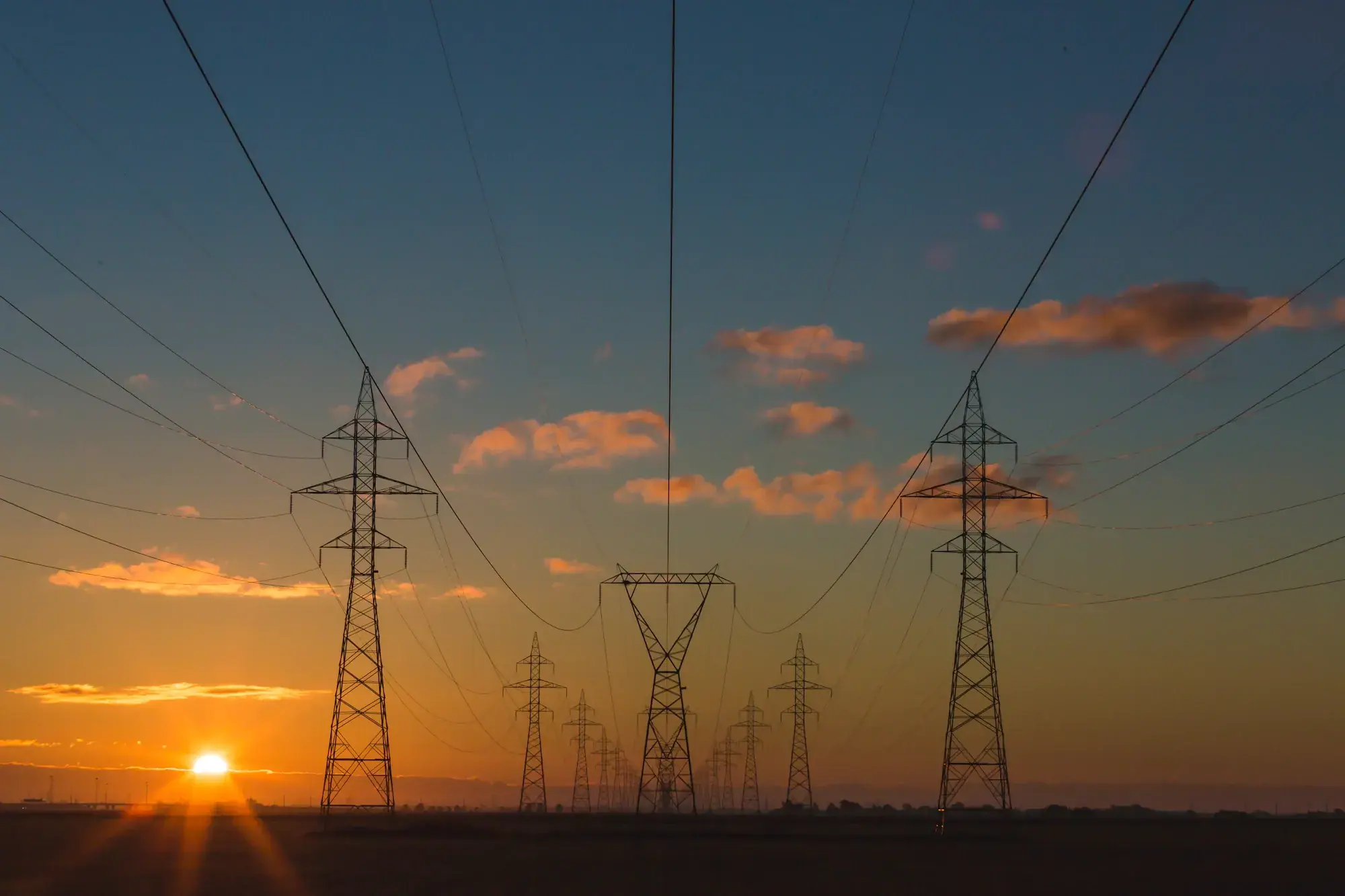
Training and running large AI models takes an extraordinary amount of electricity, and the buildings that do it cluster wherever power is cheap and plentiful — until suddenly it isn’t.
Utilities in several regions have begun delaying new data center connections, and local governments are asking pointed questions about who pays for grid upgrades that mostly benefit a handful of very large customers.
Three ways the industry is responding
- More efficient chips and cooling, which cut the energy needed for each task.
- Long-term contracts for new solar, wind and battery projects.
- Direct deals with nuclear operators, including plans for small modular reactors.
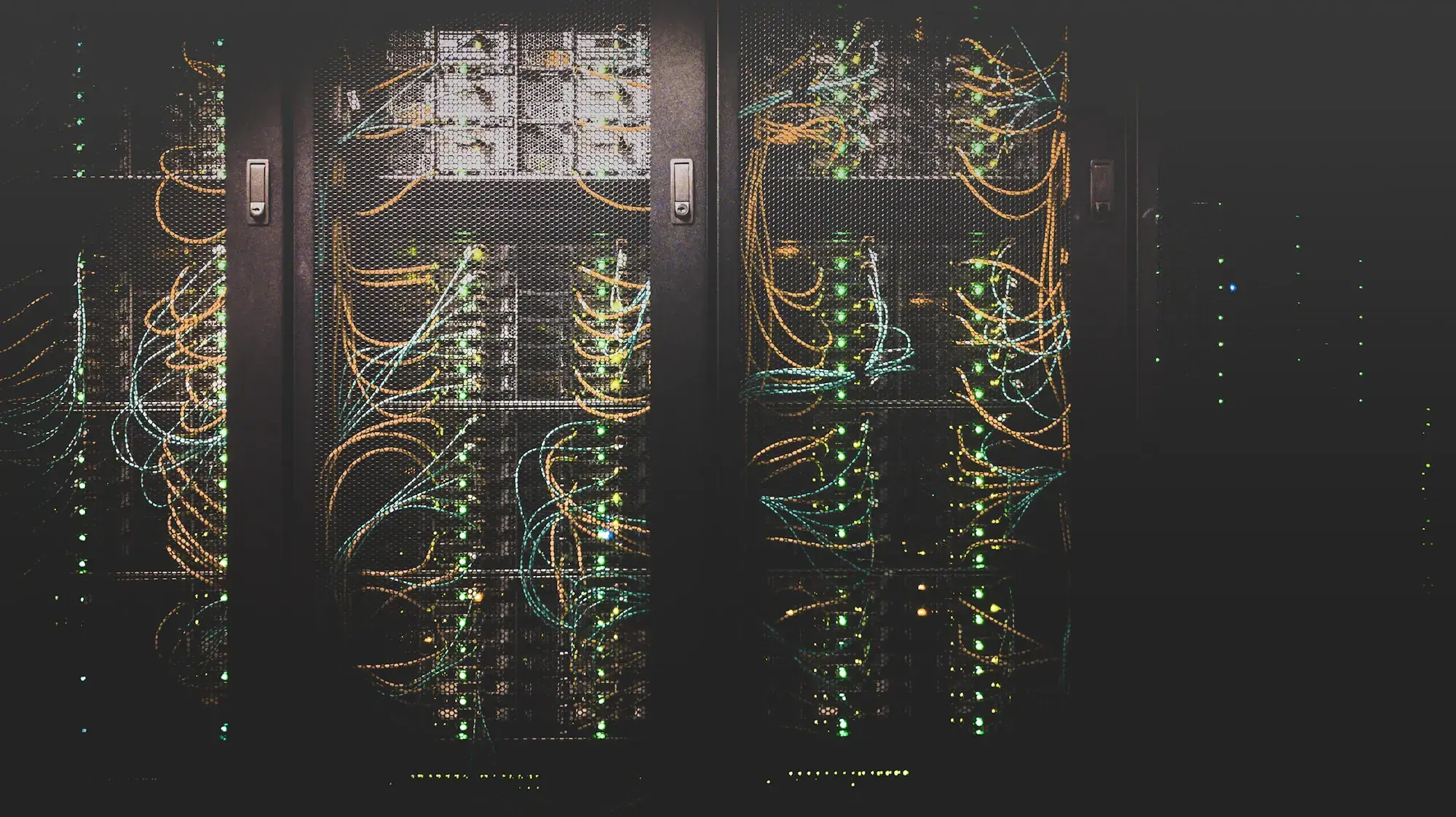
“Efficiency gains are real, but demand is growing faster. You can’t optimise your way out of a doubling.”
For consumers the effects are indirect for now: a few percent on some electricity bills, and far more attention on where the AI you use every day actually runs.

Written by
Amara Okafor
AI Correspondent
Amara reports on artificial intelligence: the research, the business and the people it affects. She trained as a data scientist and is based in London.
More from Amara