ScienceExplainer
Every phone is about to text from space. Here’s how that works.
Satellite messaging has gone from emergency-only novelty to a standard feature. We explain the technology, the limits and what it will cost you.

By Hana Sato
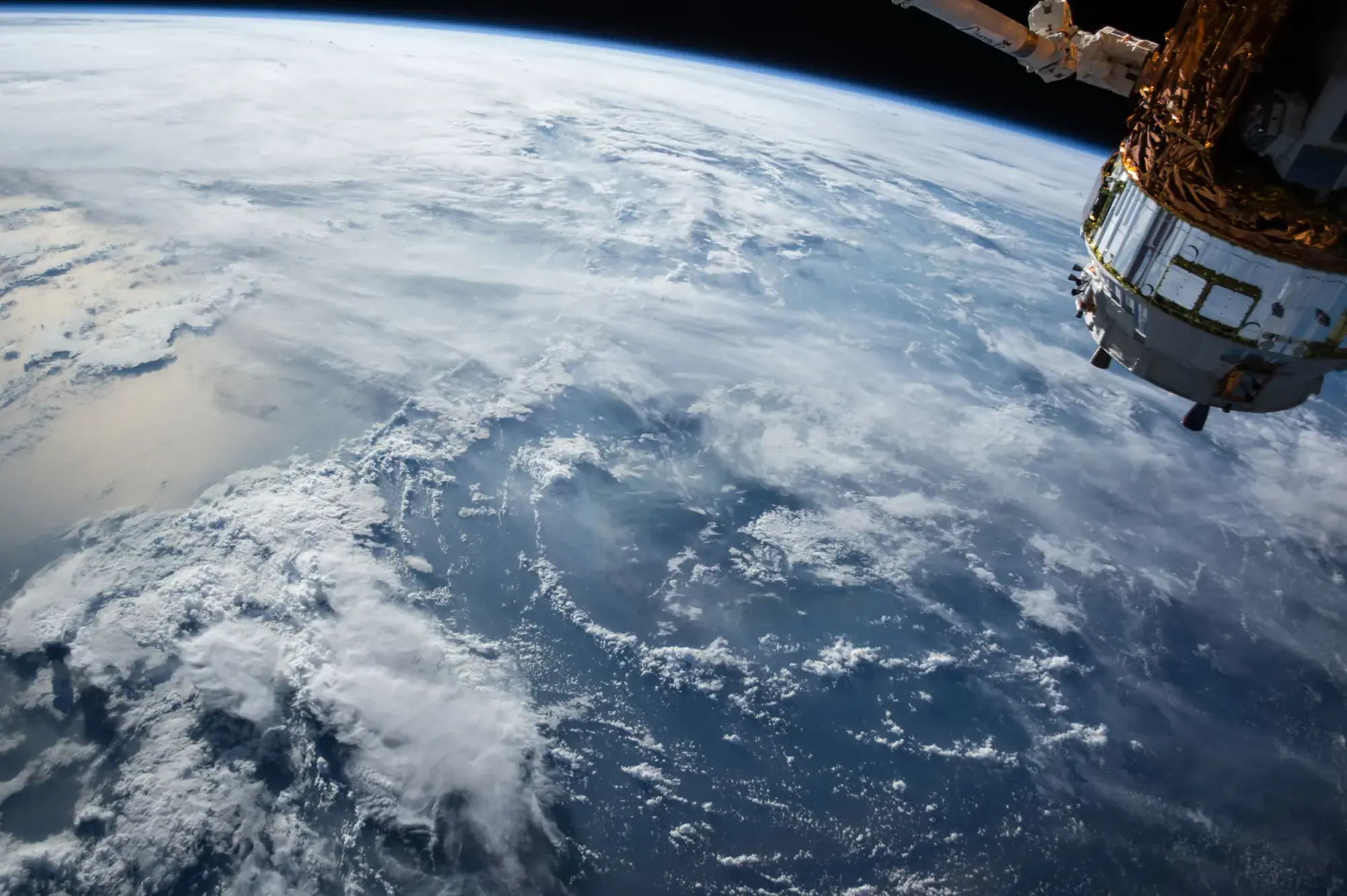
A few years ago, sending a text without a cell tower meant renting a chunky satellite phone. Today a growing number of ordinary phones can do it — slowly and with a little patience — straight to a network of satellites overhead.
Two very different approaches
Early systems borrowed existing satellite networks and asked you to point your phone at the sky while an app guided your aim. Newer services use satellites that behave like cell towers in orbit, talking to standard phones on regular mobile frequencies.
- Direct-to-cell satellites act like towers in space and need no special hardware.
- Messaging-only services send short, compressed texts that can take a minute or more.
- Voice and data from orbit are arriving, but coverage and speeds are still limited.
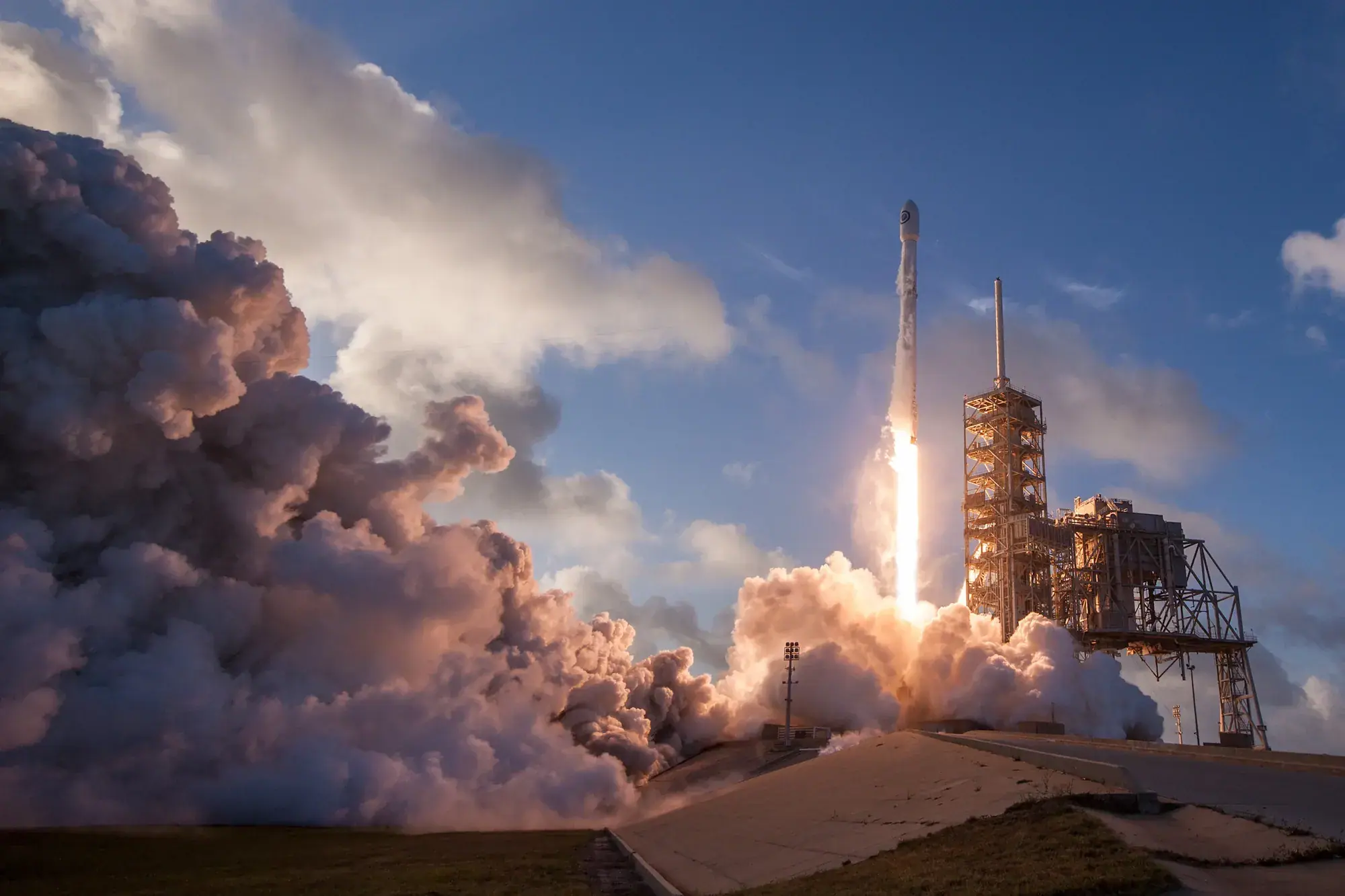
“The magic isn’t the satellite. It’s getting an antenna the size of a fingernail heard from hundreds of kilometres away.”
What it will cost you
Most carriers are folding basic satellite texting into premium plans, and emergency messaging is free on supported phones. Expect to pay extra for anything beyond short messages, at least until more satellites are in orbit.
For now, think of it as a safety net rather than a new way to be online. It is still a remarkable net to carry in your pocket.

Written by
Hana Sato
Senior Mobile Writer
Hana covers phones, watches and cameras. Before joining Vector she spent six years as a mobile engineer, which makes her very hard to impress.
More from Hana