HomeExplainer
Mini-LED or OLED? The gap has never been smaller
Brighter OLEDs and smarter mini-LED dimming have closed most of the difference. Here’s how to choose your next TV.

By Sofia Marchetti
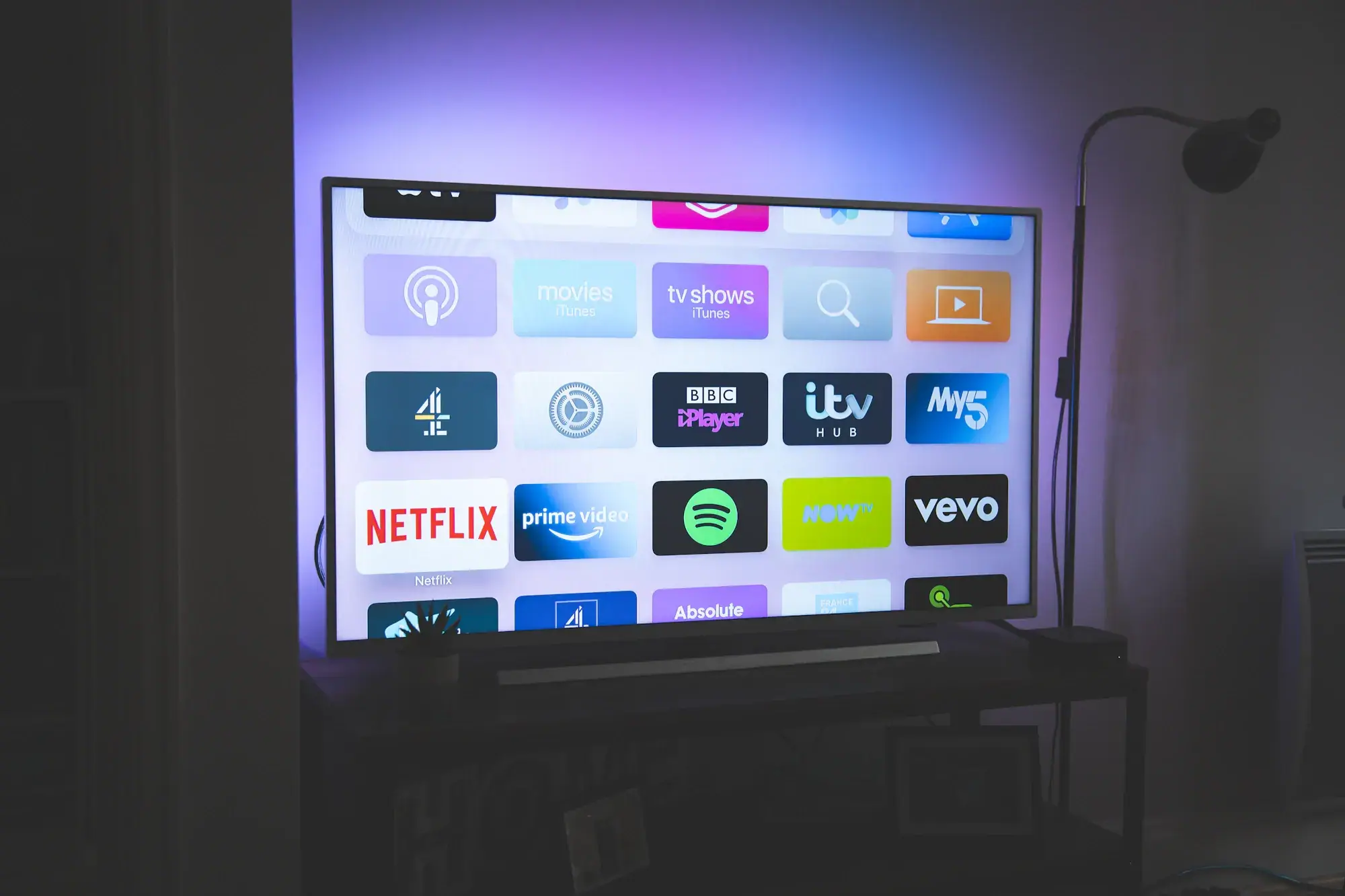
For years the TV advice was simple: OLED for perfect blacks in a dark room, LED for brightness in a sunny one. Both technologies have spent the last few years attacking their weaknesses, and this year’s models make the choice much closer.
How they compare now
- OLED: perfect blacks, wide viewing angles and far brighter highlights than before.
- Mini-LED: thousands of dimming zones, excellent brightness and lower prices at big sizes.
- Both: fast gaming modes, 120Hz or higher refresh rates and solid built-in software.
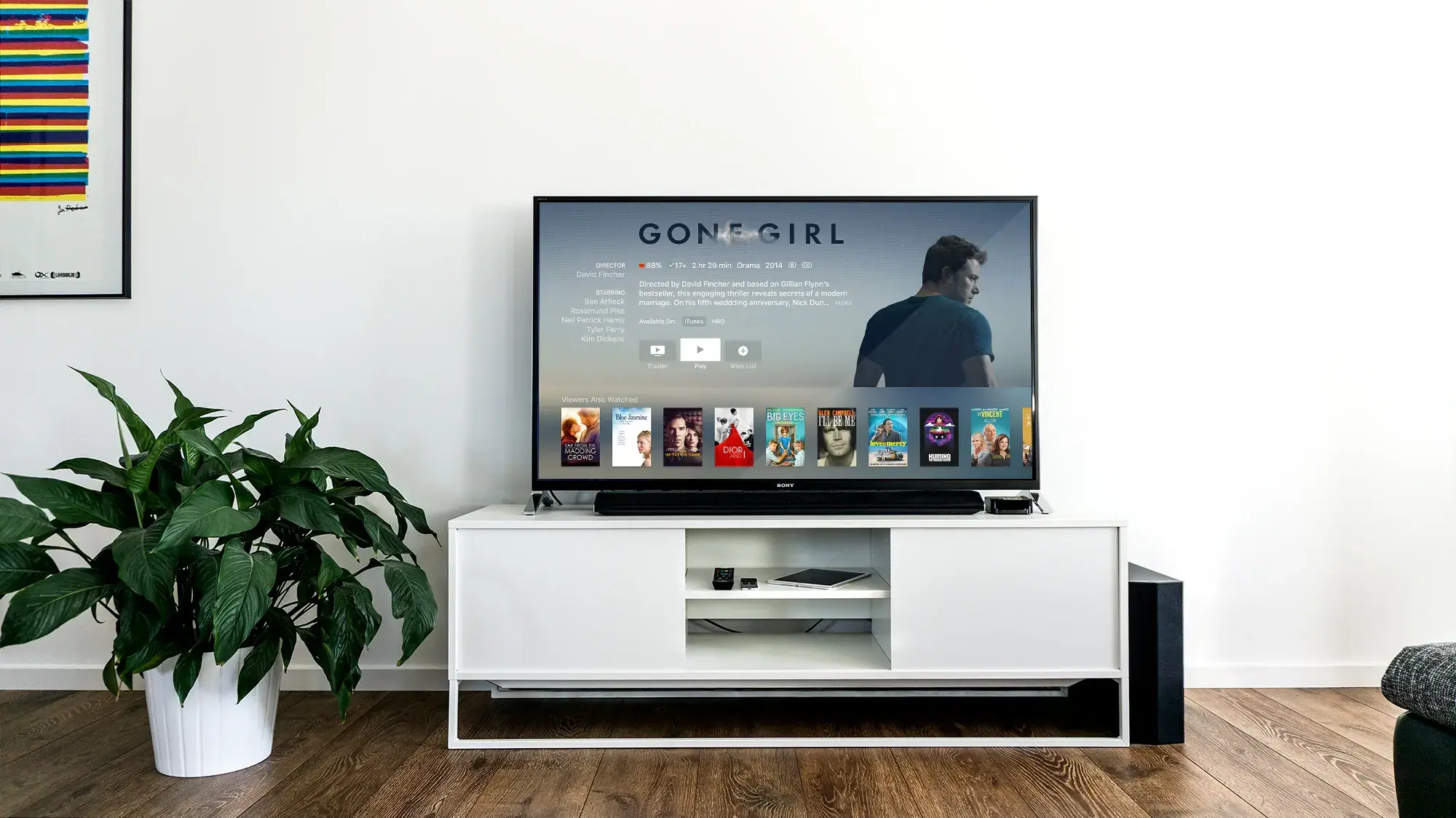
In side-by-side testing, a good mini-LED set showed slight blooming around subtitles in a dark room, while the OLED dimmed noticeably on a bright, all-white ski scene. Most people will never notice either.
The simple rule
If you mostly watch at night, buy OLED. If your living room is bright, or you want a screen larger than 75 inches without spending a fortune, buy mini-LED. Whichever you choose, budget for a soundbar — TV speakers remain the weakest part of almost every set.

Written by
Sofia Marchetti
Audio & Home Editor
Sofia tests headphones, speakers and smart-home gear from a flat that is now more hub than home. She studied acoustic engineering in Milan.
More from Sofia